

High alkalinity in a hot tub can lead to a range of problems, including skin irritation, cloudy water, and reduced effectiveness of sanitizers.
So, What causes high alkalinity in hot tub? Let’s explore common reasons for high alkalinity in hot tubs and provide solutions to address the issue.
What is Total Alkalinity?
Total Alkalinity refers to the ability of water to neutralize acids. It is a measure of the buffering capacity of water against sudden changes in pH levels.
Total Alkalinity is mainly due to the presence of bicarbonate, carbonate, and hydroxide ions in the water.
Maintaining proper Total Alkalinity levels is crucial for the health of aquatic organisms.
What Causes High Alkalinity in a Hot Tub?
There are several factors that can contribute to high alkalinity in a hot tub:
Low pH

When the pH level in your hot tub is too low, it can cause the alkalinity to rise. It’s important for hot tub owners to test the water regularly to ensure proper hot tub’s ph and alkalinity levels.
Hot Tub Chemicals
Using the wrong balance of hot tub chemicals like chlorine can also lead to high alkalinity levels.
Alkalinity is measured in parts per million and plays a key role in keeping the ph levels stable. The ideal level is around 80-120 ppm.
No Testing
Not testing and balancing your hot tub water at least once a week can result in high alkalinity. To ensure proper hot tub water care, it is important to regularly test the hot tub water for alkalinity and pH levels.
Too Many Chemicals
Using too many cleaning agents in your hot tub can increase Total Dissolved Solids (TDS), causing water to become unbalanced.
This can lead to a high TDS level, affecting the ph scale of the water. To keep your water clean and balanced, it is important to raise alkalinity when necessary.
Leftover Lotions and Stuff

Leftover lotion and other substances left in your hot tub can cause a high alkalinity level. This can result in a high pH level in your hot tub water, affecting the ph balance and overall water chemistry.
Too Much Baking Soda
Too much baking soda can lead to increasing alkalinity, resulting in alkalinity high levels. This can impact the water’s capacity of water to resist acidification and also make the water cloudy.
Is It Bad If Water Alkalinity Is Too High?
High alkalinity in hot tub water can cause a variety of negative effects on the water quality and comfort of bathers. Some of the effects include:
Scale Formation

High alkalinity in your hot tub can lead to the formation of scale buildup on the walls of the hot tub and on equipment such as filters and heaters.
This can make the water cloudy and damage your hot tub over time. To prevent this, it’s important to lower your hot tub’s alkalinity first before balancing pH levels.
Cloudy Water
Excessive alkalinity can cause the water to become cloudy or murky, making it difficult to see and potentially harboring bacteria or other contaminants.
It’s important to test the pH regularly and control the pH levels in your hot tub or swim spa to prevent any damage to your hot tub.
pH Imbalance
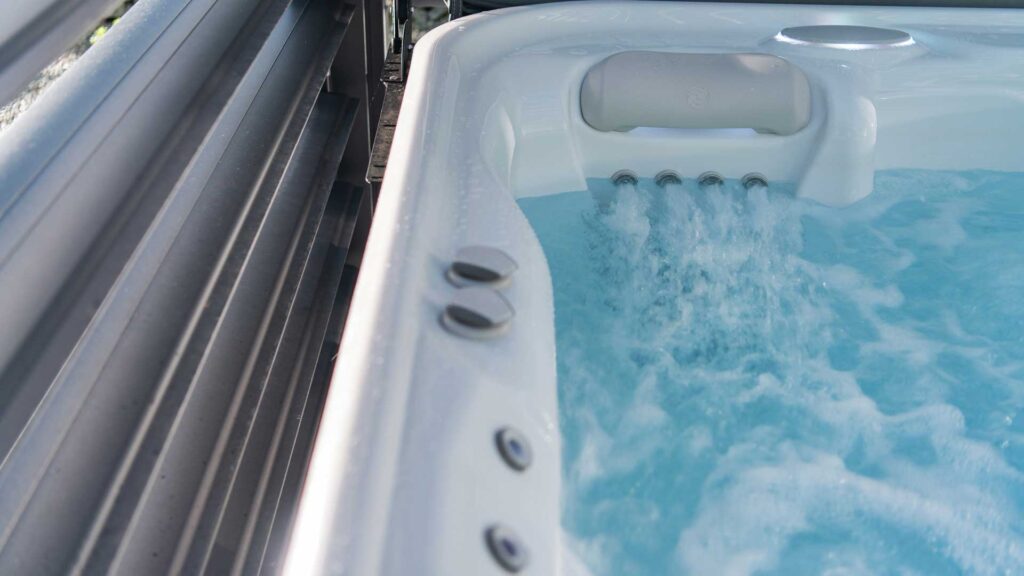
High alkalinity can also affect the hot tub’s water pH, making it difficult to maintain a proper balance.
In order to keep your hot tub pH at a stable level, it’s essential to monitor the alkalinity of the water. Alkalinity causes pH fluctuations, which can impact your hot tub care routine.
Reduced Sanitizer Effectiveness
Low alkalinity in your hot tub water can cause a range of problems, including reduced effectiveness of chlorine or other sanitizers.
If the alkalinity level is too high, it can allow bacteria and algae to thrive, leading to potential health risks.
It is essential to know about the hot tub water pH and how to maintain a balanced water environment.
Corrosion
In extreme cases, high alkalinity can cause corrosion of metal components in the hot tub, leading to damage and potential safety hazards.
Soak in your hot tub without proper alkalinity maintenance can result in costly repairs. It is important to use your hot tub and regularly test the water’s acidity and alkalinity levels.
Sanitizer Struggles

Ensure proper alkalinity levels in your hot tub to maximize sanitizer effectiveness and prevent germs from thriving. Keeping alkalinity balanced is key to enjoying a clean and safe hot tub experience.
Green and Unseen
High alkalinity can cause the water in your pool to turn green due to an imbalance of minerals, leading to algae growth. This can make the water appear cloudy, making it difficult to enjoy your swim.
Itchy and Scratchy
High alkalinity in your hot tub can leave your skin feeling dry and itchy, causing discomfort instead of relaxation.
If the water is too acidic, using a pH increaser can help balance the levels. Regularly conducting a water test is essential to ensure your hot tub contains the right pH levels.
Working Overtime
High alkalinity in hot tubs makes it work extra hard and can lead to costly repairs. Save money for more fun activities by keeping alkalinity levels in check.
How To Lower The Alkalinity In Your Hot Tub?
Here’s how you can lower the alkalinity level in your hot tub:
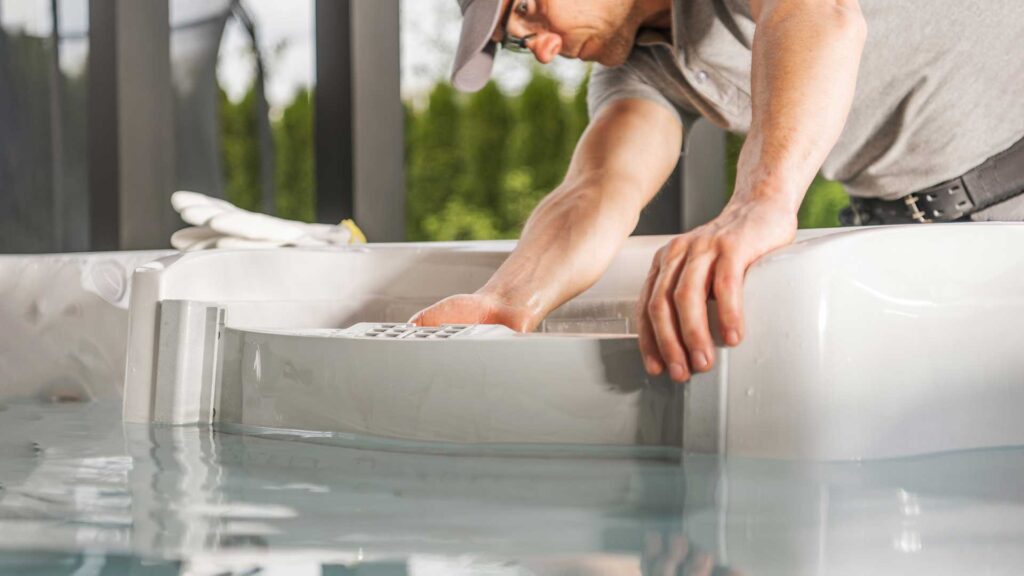
Test Total Alkalinity
Begin by testing the alkalinity levels of your spa water using a test strip or testing kit. Ideally, the alkalinity level should be between 80-120 parts per million (ppm).
Add an Acidic Solution In Your Swim Spa
If the alkalinity is too high, you can lower it by adding an acidic solution such as pH decreaser or muriatic acid. Follow the manufacturer’s instructions for the correct dosage.
Circulate the Water
Once you have added the acidic solution, turn on the hot tub’s circulation system to thoroughly mix the water and distribute the chemicals evenly.
Retest the Alkalinity Of Your Hot Tub
After allowing the water to circulate for a few hours, retest the alkalinity levels to see if they have decreased. If necessary, repeat the process of adding an acidic solution and circulating the water until the desired water alkalinity level is achieved.
Maintain Hot Tub Alkalinity
One important part of hot tub maintenance is keeping your hot tub water chemistry in check.
If the alkalinity is high, you’ll need to lower the alkalinity by using a pH decreaser or an acid specifically designed for hot tubs.
It’s also a good idea to use a hot tub cover to prevent debris from getting into the water.
FAQs
How Does High Alkalinity Affect Hot Tub Water?
High alkalinity can lead to imbalanced pH levels, making the water too alkaline. This can result in cloudy water, scaling on hot tub surfaces, and ineffective sanitization.
How Can I Lower Alkalinity in a Hot Tub?
To lower alkalinity in hot tub, you can use a commercial alkalinity decreaser or add a small amount of muriatic acid while monitoring the levels closely.
Why is it Important to Maintain Proper Alkalinity and pH Levels in a Hot Tub?
A: Maintaining proper alkalinity & pH levels is crucial for the overall health of your hot tub. Imbalanced levels can lead to equipment damage, skin irritation, and microbial growth.
What Products Can I Use to Adjust Alkalinity in My Hot Tub?
You can use alkalinity increaser or decreasers specifically designed for hot tub maintenance to adjust the alkalinity levels as needed.
How Often Should I Test the Alkalinity and pH Levels in My Hot Tub?
It is recommended to test the alkalinity & pH levels of your hot tub water at least once a week to ensure they are within the optimal range.
Can High Alkalinity in a Hot Tub Damage the Equipment?
Yes, high alkalinity can damage the hot tub equipment over time, particularly the heater and pump, if not addressed promptly through proper maintenance and water treatment.